Marshals Brings Back a Powerful Yellowstone Tradition: What Kayce Dutton’s Mysterious New Symbol Really Means

As Season 2 of CBS’s Marshals continues to unfold, the Yellowstone spin-off is making a deliberate effort to reconnect with its flagship roots. Following a rocky start to its sophomore season and lingering criticism over its tone—especially when compared to fellow offshoot Dutton Ranch—the series is leaning into one of Taylor Sheridan’s most famous storytelling techniques: deep, spiritual animal symbolism.
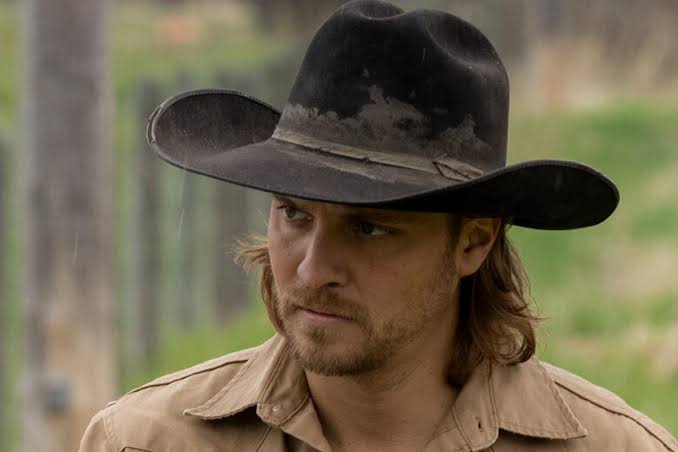
For Luke Grimes’ Kayce Dutton, grief and trauma have defined his journey. After losing his wife Monica (Kelsey Asbille) in tragic fashion, Kayce joined the U.S. Marshals, stepping into a high-stakes law enforcement career while struggling to anchor his remaining family. But as he tries to navigate life as a single father to Tate Dutton (Brecken Merrill), a quiet visitor watching from the horizon confirms that Kayce’s emotional reckoning is far from over.


From Predatory Wolves to a Stoic Buffalo
Longtime Yellowstone fans remember that wolves once dominated Kayce’s storyline. Throughout the original series, the predator served as a haunting omen of conflict surrounding the Dutton family’s hold on their Montana land.
During Season 3, Kayce famously confronted a wolf near his campsite, declaring, “I am not your friend. I’m your enemy. Whether I like it or not, I am.” That creature embodied the fundamental tension between human ownership and the raw power of nature. Later, in Season 4, Kayce underwent the Indigenous Haŋbléčeyapi vision quest, where a spirit guide in white—representing the wolf—led him to a cliff edge. After seeing two undisclosed paths, Kayce returned to tell Monica he “saw the end of us.”
Now in Marshals, the narrative has swapped the predatory wolf for a massive, lone buffalo. The animal first appeared briefly in Episode 2 as Kayce looked over his East Camp property before heading to John Dutton’s (Kevin Costner) grave to find Tate.
The motif returned with even greater emphasis in Season 2, Episode 3. After failing to connect with Tate—who raised immediate concern by taking up target practice despite never showing an interest in firearms—Kayce looked into the distance and saw the buffalo silently watching him once again.
Mo Explains the Buffalo’s Deeper Meaning
Unsure of what to make of the recurring vision, Kayce turned to Mo (Mo Brings Plenty) for guidance, admitting he wasn’t even certain if the creature was real.
Mo laid out the truth directly: while the buffalo traditionally “symbolizes self-sacrifice,” it holds a much more urgent purpose for a man who has already endured crushing loss. As Mo explained to Kayce, “You already lost everything, except for Tate. The buffalo could be here to make you confront your shame. Spur you to take action.”
While Marshals delivers this spiritual message far more directly than Yellowstone‘s enigmatic approach, the scene provides a crucial bridge back to the flagship series’ thematic roots.
A Symbol of Resilience for Kayce’s Uncertain Future
Unlike the predatory nature of the wolf—which constantly reminded the Duttons of how fragile their empire really was—the buffalo carries a distinctly different energy. It represents endurance, resilience, and the quiet, enduring strength required to survive devastating hardship.
For Kayce, the presence of the buffalo forces him to confront his lingering guilt and step up for Tate before his son slips away entirely. As Season 2 progresses, viewers are left to see whether Kayce can heed the warning, face his internal struggles, and protect the last piece of his family before it is too late.