90 Day Fiancé: Michael Eloshway Faces New Legal Setback as Prosecutors Fight Conviction Appeal

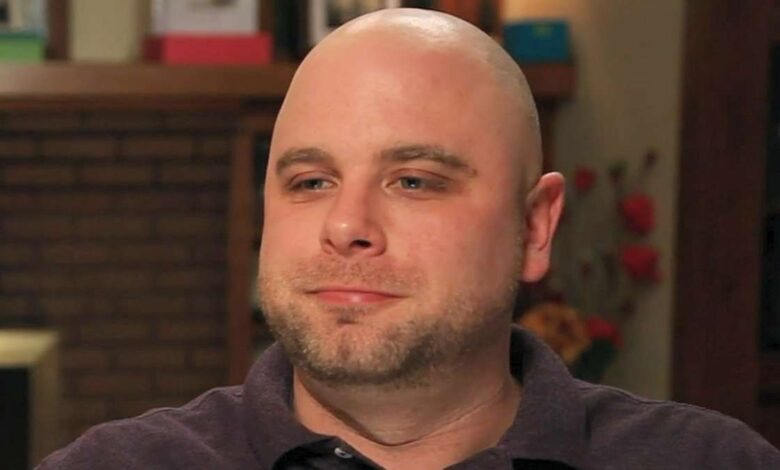
Michael Eloshway’s attempt to challenge his federal child pornography conviction has run into another obstacle. Prosecutors are pushing back against the former 90 Day Fiancé star’s latest legal filing, arguing that there is no valid reason to overturn the jury’s decision or revisit the evidence presented during his trial.
The November 4, 2026, court update brings renewed attention to Eloshway’s ongoing legal battle. His defense has questioned whether his former attorney adequately handled the case, particularly by failing to bring in a computer expert. However, federal prosecutors believe that another examination of the evidence would serve no legitimate purpose.


The dispute is not about a new trial or a fresh conviction. Instead, it centers on Eloshway’s effort to challenge the guilty verdict that has already resulted in a lengthy federal prison sentence.
According to court documents reported by TMZ, prosecutors want the judge to reject his latest request and leave the existing conviction and sentence undisturbed.
90 Day Fiancé: How Michael Eloshway’s Federal Investigation Began
Long before the latest court filing, Michael Eloshway became the subject of a federal investigation involving files discovered through BitTorrent downloads.
Viewers may remember Eloshway from the first season of TLC’s 90 Day Fiancé, where he appeared alongside his wife, Aziza Eloshway. His television appearance eventually became overshadowed by a criminal case that developed over several years.
Investigators reportedly traced approximately 65,000 files to an IP address associated with Eloshway in 2022. The investigation continued, and FBI agents searched his home in May 2023, taking his computer as part of their examination.
Federal charges followed in June 2023.
Throughout the case, Eloshway’s defense maintained that the illegal material had appeared unintentionally while he was downloading adult pornography through BitTorrent. His attorneys argued that he had not deliberately searched for the illegal files and deleted them after discovering their presence.
That explanation became central to the defense strategy as the case moved toward trial.
However, prosecutors presented a different account of what happened, and the evidence ultimately persuaded the jury.
Michael Eloshway Was Found Guilty After a Three-Day Trial
The federal case reached a major turning point on July 24, 2024, when a jury found Eloshway guilty on two child-pornography-related counts.
The trial lasted three days, but jurors needed less than two hours of deliberation before reaching their decision.
The verdict directly contradicted the defense’s position that the material had been downloaded accidentally. For Eloshway, the outcome meant facing serious federal prison time rather than walking away from the allegations.
On October 29, 2024, a federal judge sentenced him to 10 years and one month in prison.
The sentence established the consequences of the conviction, although Eloshway continued pursuing legal options afterward.
His efforts to challenge the outcome did not begin with the November 2026 filing. A July 2025 report indicated that an earlier attempt to have his sentence vacated had already been rejected. The available account did not explain the court’s reasoning behind that earlier decision.
Now, his latest challenge has brought prosecutors back into the dispute.
Prosecutors Challenge Michael Eloshway’s Accidental Download Explanation
One of the most important issues in the latest filing involves Eloshway’s criticism of his former legal representation.
His defense has argued that his attorney should have hired a computer expert to examine the digital evidence. Such an expert could potentially have helped address questions surrounding the BitTorrent downloads and whether the files appeared unintentionally.
Prosecutors strongly disagree with the need for another review.
They characterized the proposed examination as an unreasonable fishing expedition, arguing that Eloshway has not established a sufficient basis to reopen the evidence.
Their response also points to information they believe undermines his accidental-download argument.
According to the prosecutors, investigators recovered material from Eloshway’s computer and connected files to his IP address. They also highlighted a signed statement in which Eloshway admitted searching for “teen porn” in an effort to find models who were 17 or younger.
That statement is particularly significant because it challenges the defense’s central argument that the material was simply an unintended consequence of downloading adult pornography.
Assistant U.S. Attorney Joe Dangelo also emphasized the amount of material prosecutors said was found on the computer.
“He knew they were there,” Dangelo stated while discussing the approximately 8,000 files cited in the current report.
There are some differences in the reported evidence totals. One account referenced 7,182 videos or images, while the latest report described approximately 8,000 images. Regardless of the differing figures, prosecutors are relying on the digital evidence as part of their argument against overturning the conviction.
Prosecutors Also Address Eloshway’s Previous Plea Decisions
The latest government response goes beyond the disagreement over computer evidence.
Prosecutors also argued that Eloshway knowingly turned down plea agreements before proceeding to trial. They further maintained that emails exchanged between his former attorney and prosecutors would not change the outcome of the case.
These points are relevant to Eloshway’s current effort to challenge how his defense was handled.
By bringing up the rejected plea deals and the communications involving his former attorney, prosecutors are arguing that the additional information would not provide a meaningful reason to revisit the jury’s verdict.
Their position is straightforward: the conviction should remain in place, and another review would not produce a different result.
For Eloshway, however, the question of whether his original defense adequately examined the digital evidence remains at the center of his latest legal challenge.
What Happens Next in Michael Eloshway’s Case?
The November 4 filing represents another significant development in a legal battle that has continued well beyond Eloshway’s brief time on reality television.
His confirmed legal outcome remains the July 2024 guilty verdict and the 10-year-and-one-month federal prison sentence imposed in October of that year. The latest development does not change either outcome.
Instead, prosecutors are asking the judge to reject his current effort to overturn the conviction. Whether the court will accept their arguments or allow any further examination of his claims remains to be seen.
The case also highlights the substantial difference between Eloshway’s original defense and the evidence prosecutors say supports the jury’s decision.
For former 90 Day Fiancé viewers following his story, the latest filing is a reminder that his legal troubles remain far removed from the relationship storyline that first introduced him to TLC audiences.
With prosecutors firmly opposing another review, Michael Eloshway faces an uphill battle in his latest attempt to challenge the conviction that put him behind bars. The remaining question is whether the judge will find any merit in his arguments or leave the existing verdict and sentence untouched.