
NCIS: Origins Season 3 Episode 2 Review: Woody’s Murder Case Takes a Backseat to Gibbs’ Crossover Setup

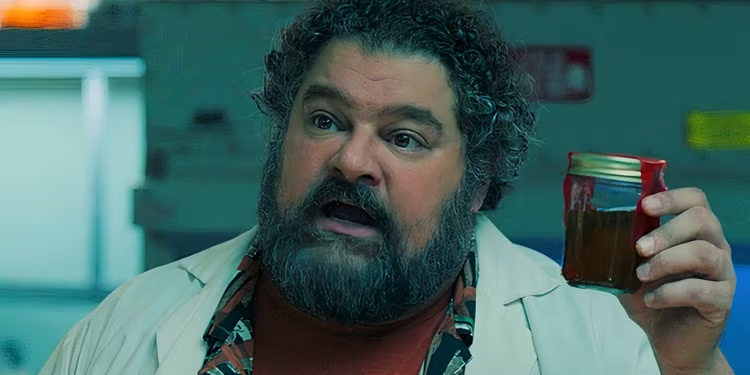
NCIS: Origins Season 3, Episode 2 puts lab technician Woody in an alarming position when he becomes the prime suspect in a murder investigation. But while the team works to clear his name, the episode also continues building toward the highly anticipated crossover involving the present-day Gibbs, leaving less room for Woody’s personal story to make the impact it deserves.
Titled “My Own Worst Enemy,” the episode returns to the character-focused storytelling that has helped distinguish the NCIS prequel. Bobby Moynihan gets a chance to explore a more vulnerable side of Woody as the character faces a serious accusation. However, the structure of Season 3 creates an additional challenge: the show must balance its younger cast’s stories with the present-day scenes featuring Mark Harmon’s Gibbs.


The result is an hour with an intriguing central mystery and an enjoyable franchise connection, although the two elements do not always work together as effectively as they could.
Woody Becomes a Murder Suspect Over a Longstanding Grudge
The central case begins when a woman named Sheila is found dead in Woody’s apartment. The discovery puts the lab technician under suspicion, especially because he has a long history of resentment toward the victim.
Sheila’s connection to Woody goes back much further than the murder investigation. One of her practical jokes caused an injury to his wrist, ultimately ending his dream of becoming a professional bowler. That history gives the case a personal dimension and provides investigators with a reason to examine Woody’s possible motive.
As the team works to establish his innocence, an FBI agent named Casey Bloom becomes an obstacle. Bloom is played by Sean Harmon, an executive producer on NCIS: Origins who is already familiar to longtime franchise viewers.
Sean Harmon previously portrayed a younger version of Leroy Jethro Gibbs on the original NCIS. His appearance alongside Austin Stowell, who plays the younger Gibbs in the prequel, creates an amusing connection between two interpretations of the same character’s world.
That casting choice adds an extra layer of interest to an otherwise straightforward procedural conflict. Still, the episode’s greatest opportunity lies in Woody himself.
Bobby Moynihan Gets More Room to Explore Woody
One of the strengths of NCIS: Origins has been its willingness to devote episodes to individual characters rather than making every installment revolve exclusively around Gibbs.
“My Own Worst Enemy” follows that approach to a degree. Woody’s sudden transformation from lab technician to murder suspect allows Bobby Moynihan to portray a broader range of emotions than the character’s usual workplace role might demand.
The situation also gives viewers additional insight into Woody’s history. His damaged bowling ambitions and complicated connection to Sheila make him more than a supporting member of the team. The investigation places his past directly in the path of his present, giving the character a personal stake in the outcome.
However, the episode does not develop this material with the same precision as some of the show’s stronger character studies. The murder mystery has an emotional foundation, but several storytelling choices reduce its suspense and prevent Woody’s predicament from carrying the full weight it could have.
Present-Day Gibbs Makes the Mystery Easier to Predict
The biggest complication comes from the episode’s framing structure.
The story opens and closes with Mark Harmon’s present-day Gibbs receiving assistance from Woody. These scenes establish a connection between the past and the present, but they also reveal something important about the outcome of the earlier storyline.
Since Woody is available to help Gibbs in the present, viewers already have a strong reason to believe he did not kill Sheila in the past. That knowledge makes it difficult to wonder whether the team will save him. Instead, the central question becomes how they will prove his innocence.
There is still a mystery to solve, but the tension is reduced before the investigation has a chance to fully unfold.
The resolution also arrives somewhat abruptly. Mike Franks explains the actual killer’s actions and reasoning to Cliff Wheeler over a drink in Wheeler’s office. Rather than allowing the investigation to deliver a more fully developed revelation, the episode relies on Franks’ explanation to clarify what happened.
This approach moves the story forward, but it leaves the murder case feeling less substantial than it initially promises to be.
The Upcoming NCIS Crossover Changes the Episode’s Priorities
The present-day storyline is not simply an additional feature. It is part of a larger plan for Season 3, which divides its attention between Gibbs’ earlier career and his life in the present.
Woody’s case begins partly because the episode establishes why he owes Gibbs a favor. That connection gives the murder plot a clear purpose within the broader narrative, but it also makes the character’s individual story feel secondary to the show’s ongoing franchise setup.
The final sequence reinforces that impression. Gibbs returns to the main NCIS office in an extended scene that helps prepare viewers for the already-announced crossover between NCIS: Origins and the original series.
The crossover is an understandable reason to devote time to the present-day storyline, particularly for viewers eager to see Mark Harmon return to this corner of the franchise. However, those scenes also take time away from the younger cast and the cases that originally defined the prequel.
The Season 3 premiere demonstrated that the show can balance its two timelines more effectively. Episode 2 is less successful at keeping those competing priorities in proportion.
That does not mean the present-day material should disappear. Rather, the challenge for the remaining episodes will be ensuring that the crossover preparations complement the stories unfolding in the past instead of overshadowing them.
Could NCIS: Sydney Get a Surprise Connection?
There is also a small detail that may catch the attention of viewers familiar with another branch of the franchise.
When Gibbs tells Woody that he will seek assistance from someone called “Blue,” the wording raises the possibility of a playful connection for fans who also watch NCIS: Sydney.
A crossover between NCIS: Sydney and the other shows is not particularly likely, given the logistical challenges involved. Still, the reference offers a brief opportunity for franchise viewers to imagine how the different series might connect.
It remains a speculative association rather than evidence of a planned crossover.
NCIS: Origins Has More Work to Do Before the Crossover
“My Own Worst Enemy” is not a failed episode. Woody’s predicament gives Bobby Moynihan valuable character material, and Sean Harmon’s appearance adds an entertaining link to the franchise’s history. The case also reinforces the relationships that connect Gibbs to the people who worked alongside him earlier in his career.
The problem is that the episode’s structure weakens its central mystery while its closing scenes devote additional attention to the upcoming crossover. The result is an installment that feels more like preparation for a larger event than a fully satisfying character study in its own right.
That may change as Season 3 progresses. The crossover could give viewers a clearer understanding of how present-day Gibbs’ experiences relate to the earlier adventures of his team. The premiere also showed that the series can make the dual-timeline format work.
For now, though, Woody’s murder investigation leaves a less lasting impression than it might have without the present-day framing.
NCIS: Origins airs Tuesdays at 10 p.m. ET/PT on CBS. With the crossover approaching, can the series give its younger characters the same attention while delivering the franchise connections longtime viewers are waiting for?